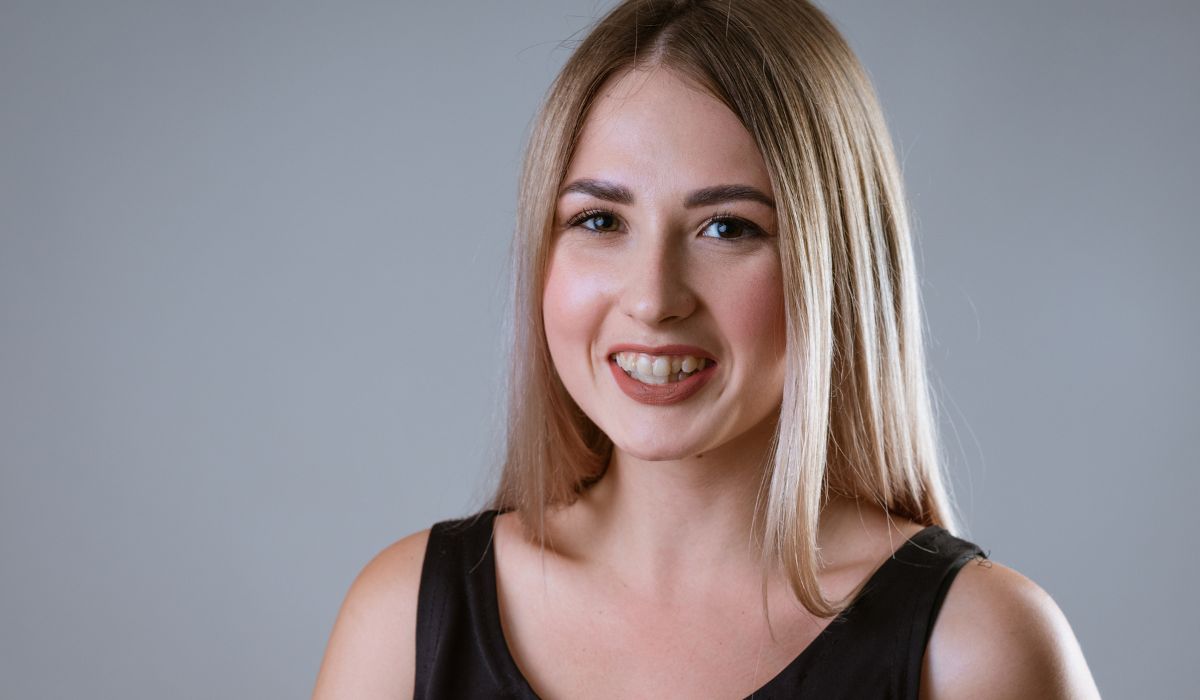
About 53% of Americans have some degree of crooked teeth. Crooked teeth don’t only look bad; they also compromise oral health. They make brushing and flossing difficult and lead to various more complex problems. Given that more than half of the population is affected, it is imperative to know the cause of this condition. In this article, we are going to discuss what causes crooked teeth and what are the options to treat them. So stay tuned!
What Causes Crooked Teeth?
Crooked teeth, meaning irregular or misaligned teeth, can either be caused by genetics or develop later in life due to environmental or lifestyle changes. Here is a list of reasons that seem to cause crooked teeth.
Genetics:
Crooked teeth can be caused by genetics. If either of your parents has some sort of malocclusion, you are likely to inherit it. Even the size of your teeth is likely to be influenced by genetics. If one parent has a smaller jaw and the other has larger teeth, you can end up with a small jaw but large teeth, resulting in crowding.
Common types of inheritable malocclusion include variable jaw sizes and shapes, open bite, underbite, hyperdontia (extra teeth), or hypodontia (missing teeth). The most common type of inherited malocclusion is prominent lower teeth, causing a reverse bite.
Soft Foods:
Malocclusion was not as prevalent in earlier times as it is today. Scientists believe that it was because of their coarse diet. People used to chew on raw vegetables, nuts, and meat back then, which strengthened their jaws.
On the contrary, today, we mostly eat soft, processed foods that require minimal chewing. Our jaws do not develop much, and we end up with smaller jaws and crooked teeth.
Malalignment:
If you wonder, why are teeth crooked, let’s understand malalignment first. Normally, the upper teeth should lay slightly over the lower ones, with their high points occluding into the grooves of the lower teeth. When this occlusion is disturbed, it makes the teeth crooked. The following are the common types of malocclusion.
- Openbite – wide space between upper and lower teeth.
- Deepbite – excessive overlapping of upper and lower teeth.
- Crossbite – overlapping of upper teeth by the lower teeth in transverse dimension.
Mouth Breathing:
Mouth breathing is a condition in which patients use their mouths to breathe primarily instead of their noses. If not managed in a timely manner, mouth breathing can cause posterior teeth to erupt excessively, resulting in an anterior open bite and a narrow upper arch.
Thumb Sucking:
When wondering what causes crooked teeth, the habit of thumb sucking should be accessed. By placing the thumb between the upper and lower teeth, a child increases the pressure between them, resulting in flared upper teeth and reclined lower teeth.
Thumb sucking is normal for young children. However, if this habit persists, it can result in crooked teeth.
Tongue Thrusting:
Tongue thrusting is another parafunctional habit in which the patient thrusts their tongue against the upper teeth instead of the palate while swallowing. When done for a long period, the upper teeth move forward and get crooked due to excessive pressure. It can also lead to increased overjet or anterior open bite.
Early Loss of Baby Teeth:
If you lose a baby tooth due to trauma or caries, the teeth adjacent to it can move and come in its place. This decreases the space available for its permanent counterpart, causing it to crowd when it erupts.
Malnutrition:
Proper nutrition is essential for the normal development of teeth. Malnutrition, especially in children, can cause smaller jaws, tooth decay, or tooth malalignment.
Physical Trauma:
Physical trauma can change the orientation of jaws and teeth. Especially in children going through development, facial trauma can change the position of teeth or hinder development.
Treating Crooked Teeth
After understanding what causes crooked teeth, let’s discuss how to treat them. Orthodontics has developed several ways to treat crooked teeth. Depending on the patient’s preference, the following appliances can be used.
Braces:
Braces are the most common, tried-and-tested way to treat crooked teeth. Modern orthodontics has developed several types of braces, which are listed below.
Metal Braces:
Metal braces are traditional braces that have been used to treat malocclusion for decades. They comprise small metal brackets, molar bands, archwires, and elastics. These braces are mostly used to treat malocclusion in children. Because of the way they look, adults prefer ceramic or lingual braces.
Ceramic Braces:
Ceramic braces are made of ceramic and match the tooth color. They work exactly like traditional braces, with archwires and elastics. Their main advantage is that they camouflage with the teeth and do not affect aesthetics like traditional braces do. Hence, they are preferred by adults.
Lingual Braces:
Lingual braces are placed on the lingual side of teeth. They function like traditional braces but can not be seen by everyone due to their position.
Aligners:
Clear aligners are used as an alternative to dental braces for patients who want invisible braces. They are made from plastic and are custom-fitted to your teeth. They are more expensive than braces.
Retainers:
Retainers are devices used to retain teeth’ positions after orthodontic treatment. However, if teeth are only slightly crooked, they can also be used as the primary treatment.
Palatal Expanders:
Palatal expanders are used in children with small upper arches. These devices are placed on their palates and activated with a key by the dentist to exert pressure on both halves of the jaws to expand them. Later, orthodontic treatment is done to close the space created between the upper teeth.
Conclusion
By the end of this article, we hope to have answered your query about what causes crooked teeth. By knowing about the potential causes, you can take steps to prevent or manage crooked teeth timely.
If you or your child are experiencing crooked teeth, contact our dental experts in Blairstown, NJ. We will assess your condition and provide valuable insights about what could have been the reason for your malocclusion. Schedule an appointment with dentists in Newton, NJ, and make your way towards a brighter future.