Dental implants are an excellent solution to regain the aesthetics and functionality of your smile. However, getting them is only the first step. Their success depends upon the post-operative care your dentist instructs you about. An essential part of these instructions is avoiding dairy. In this article, we will find out why no dairy after a dental implant is essential for proper healing. To know the answer, stay with us.
What are Dental Implants?
Dental implants are one of the most durable alternatives to your natural teeth. They are a solution offered by restorative dentistry for people who lose some or all of their natural teeth.
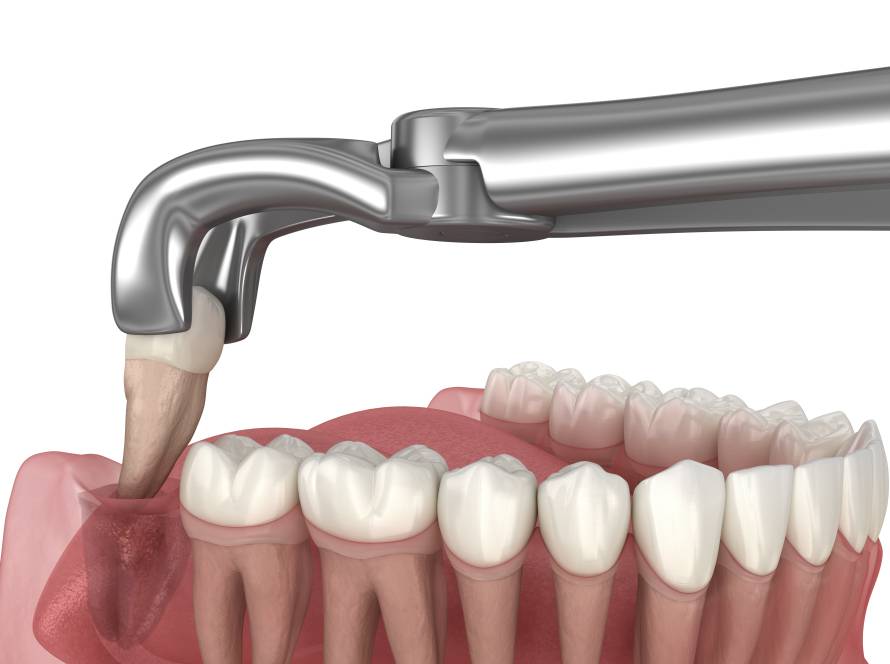
A dental implant comprises three parts: a metal post, an abutment, and a crown. Usually made of titanium or alloys, the post goes into your jawbone and locks within. The abutment connects it to the crown, which is the part of the implant that we can see in the oral cavity.
Although an expensive option, a dental implant lasts longer than a bridge or a denture. It also keeps the bone stimulated, avoiding resorption.
Why No Dairy After a Dental Implant?
Dairy is considered to be associated with an increased risk of infection, inflammation, prolonged bleeding, and antagonizing certain antibiotics. However, there still needs to be solid scientific proof of this.
We have heard all our lives that dairy products have calcium, which is great for bones and teeth. That’s why patients are concerned about why no dairy after a dental implant is recommended. Let’s have a detailed look at the implications of dairy on implants.
1. Increases the Risk of Infection:
Dairy products can promote bacterial growth when left at room temperature for longer periods, harboring bacteria in our mouths. Under normal conditions, this risk is not significant. However, after getting an implant, while your body’s immune system is focused on healing the bone, it’s important to avoid any risk, however small.
2. Prolongs Bleeding:
Another reason why no dairy after a dental implant is recommended is due to the potential disruption of the clot. Dentists advise you to avoid chewing, even soft foods like cheese or yogurt, as they can dislodge the clot. A liquid diet is advised immediately after the procedure.
Additionally, dairy products contain calcium, which tends to interfere with normal healing, promoting post-op bleeding.
3. Resists Antibiotics:
After putting in an implant, dentists prescribe antibiotics to prevent infection. Some antibiotics, such as tetracycline, can be rendered useless in the presence of dairy products. Dairy products bind to these drugs and resist their function, increasing the risk of infection.
4. Promotes inflammation:
Inflammation, although the body’s natural response to stress, can cause pain and delay healing. Certain full-fat dairy products contain high quantities of saturated fats that can increase inflammation at the surgery site. Avoiding dairy is best to counteract any potential trigger.
Can I Eat Yogurt After Dental Implant?
No, you should avoid eating yogurt immediately after getting a dental implant. While yogurt is generally a healthy and soft food, it is still a dairy product. As stated earlier, dairy products have the potential to promote bacterial growth and inflammation, which can interfere with the healing process. However, you can eat it after a few days of the surgery.
Can I Have Ice Cream After Dental Implant?
No, you should also avoid eating ice cream immediately after surgery. Since ice cream is a cold and soft food with ideal properties to promote clotting, it is a common myth that eating it immediately after dental implant surgery is a good idea. However, it is still a dairy product and can impede healing.
When Can I Drink Coffee After Implant Surgery?
Most dentists suggest holding off on hot beverages like tea or coffee until 24 to 48 hours after surgery. Although coffee does not affect healing on a chemical level, it is still hot. Extreme temperatures can irritate the surgical site and dislodge the clot.
Diet After Dental Implant Surgery
After understanding why no dairy after a dental implant is important, let’s have a look at what you can and can not eat after dental implant surgery.
What to Eat:
After having an implant placed, it’s better to stay on a liquid diet for a few days. Foods like soup, broth, juice, smoothies, pudding, or decaf drinks are recommended. After 24-48 hours, you can continue with solid foods, but make sure they are not too hard.
What to Avoid:
Following an implant placement, avoid eating hard, spicy, crunchy, or chewy foods for the first few days. Alcohol also impedes healing and affects the body’s normal immune responses. Avoid using straws to prevent clot dislodgement.
Alternatives to Dairy After Dental Implants
When you avoid dairy products after having an implant placed, it is important to have some non-dairy alternatives to replenish the nutrients you are missing. The following are some alternatives to maintaining a balanced diet.
Fish:
Fish meat like salmon or sardines are a great source of calcium and other nutrients essential for healing.
Bone Broth:
Bone broth has essential nutrients like calcium, magnesium, and phosphorus for normal healing.
Leafy Vegetables:
Having leafy green vegetables and tofu in your diet also helps maintain a balanced diet.
Plant-based Milks:
Avoiding regular milk can lower your body’s calcium levels to a dangerous level. Replenish them by opting for plant-based milks like soy, almond, and oat milk.
How Long After Dental Implant Can I Eat Dairy?
Generally, it is advised to avoid dairy products for at least the first 48 hours after surgery. This helps minimize the risk of infection and inflammation and promises a smooth recovery. After this period, you can gradually reincorporate dairy into your diet. However, consulting a dentist for a personalized diet plan might be better.
Conclusion
Understanding why no dairy after a dental implant is advised is important to have a smooth recovery period. Follow the dietary instructions provided above and the other post-op instructions provided by your dentist.
If you have any questions about what you should eat after getting dental implants, contact our experts in dental implant surgery in Newton, NJ. They will effectively address all your concerns about dental implants in Newton, NJ.