
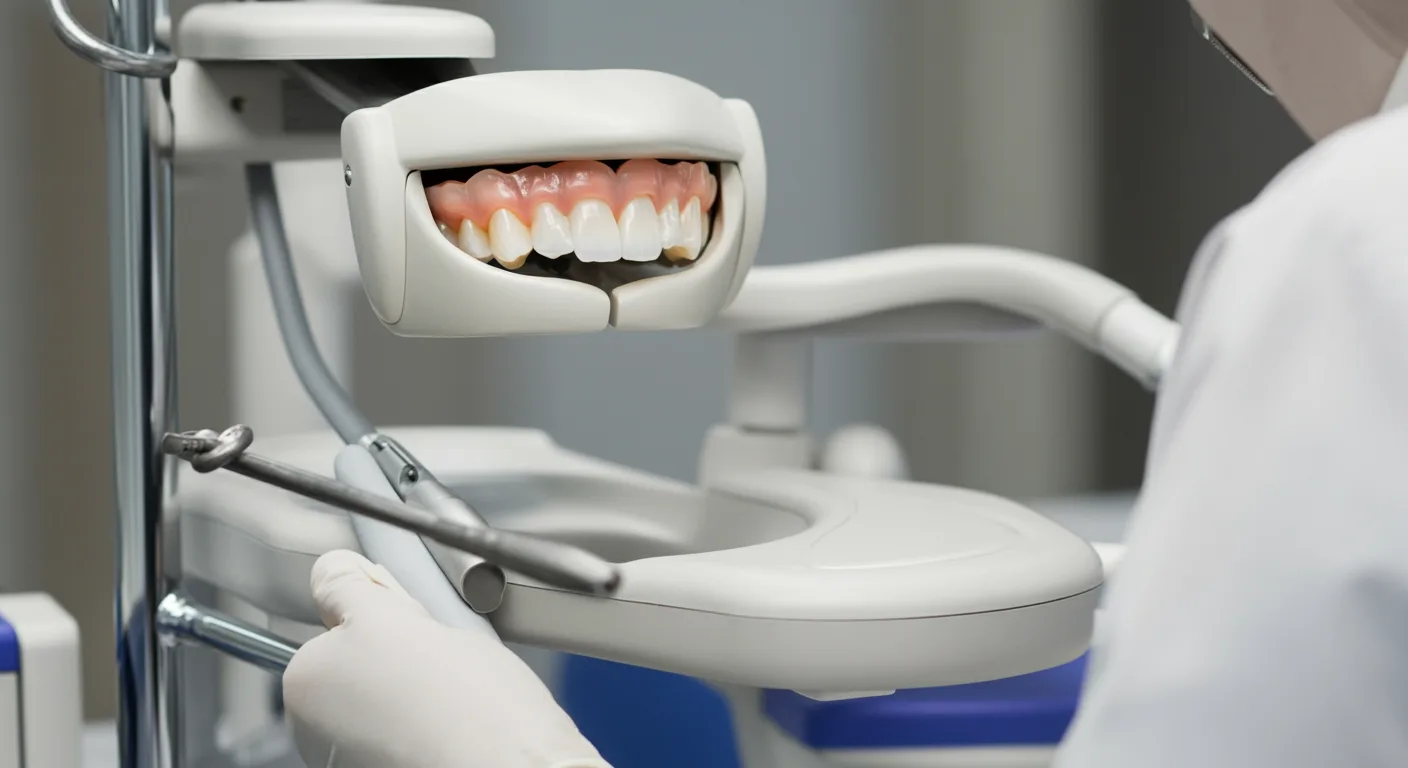
Have you ever wondered what happens when a tooth gets damaged or lost? Does it just stay that way forever, or is there a way to restore it? If you’ve ever faced a dental issue, whether it’s a cavity, a broken tooth, or even a missing one, you might have heard of restorative dentistry. But what exactly is it, and why is it so important for your oral health?
In this guide, we’ll explore the world of restorative dentistry in detail. We’ll explore how it helps repair and rebuild teeth, why it’s essential for both function and aesthetics, and what standard procedures are used to bring back a healthy smile. By the end, you’ll clearly understand how restorative dentistry can make a difference in your life. So, let’s get started!
What is Restorative Dentistry?
Restorative dentistry is a vital branch of dental care that focuses on repairing and restoring the function, health, and aesthetics of teeth. Whether you have decayed, damaged, or missing teeth, restorative dentistry can help you regain confidence in your smile while improving your oral health and quality of life.
Anyone with compromised teeth, from cavities to missing molars, can benefit from restorative dentistry. Whether you’re dealing with minor tooth damage or seeking a more advanced solution, restorative treatments are tailored to address a variety of dental problems.
Why is Restorative Dentistry Important?
Restorative dentistry does more than just repair teeth; it plays a crucial role in maintaining overall health. Here’s why it matters:
- Improves Oral Function: Enables you to chew food properly, speak clearly, and smile without discomfort.
- Enhances Quality of Life: Restored teeth improve self-confidence and reduce anxiety about broken or missing teeth.
- Prevents Further Dental Issues: Early restorative care can stop minor problems, like cavities or cracks, from worsening. This avoids bigger issues, like tooth loss or gum disease, down the road.
By addressing damaged or missing teeth, restorative dentistry helps keep both your mouth and body healthy.
Common Restorative Dentistry Procedures
Dentistry covers a wide range of restorative dentistry procedures, each tailored to a specific problem. Below are some of the most common options:
Fillings
Dental fillings are one of the simplest and most common restorative procedures. Primarily used to treat cavities, fillings repair minor tooth damage by sealing holes or cracks.
Materials Used: Fillings may be made of amalgam (a silver-colored material) or composite resin (tooth-colored), depending on the need.
Crowns
Dental crowns are custom-made caps that cover damaged or weakened teeth, restoring their appearance, strength, and functionality. Crowns are ideal for teeth that are heavily decayed, cracked, or have undergone large fillings.
Bridges and Dentures
Missing teeth can impact both your oral health and appearance. Bridges and dentures offer effective solutions:
Bridges: These are fixed dental devices that replace one or more missing teeth. Common types include traditional, cantilever, or Maryland bridges.
Dentures: Removable appliances that replace a full arch of teeth or just a few missing teeth (partial dentures).
Dental Implants
Dental implants are a permanent solution for tooth loss. They involve a titanium screw placed in the jawbone to support a crown or bridge.
Benefits: Implants look, feel, and function like natural teeth, making them a popular, durable choice.
Root Canal Therapy
When the inside of a tooth becomes infected, a root canal procedure can save it. By removing the infection and sealing the tooth, this treatment preserves your natural teeth and prevents further decay.
Who Needs Restorative Dentistry?
Restorative dentistry addresses a broad range of dental issues, including:
- Tooth Decay or Cavities: People with untreated cavities that compromise oral health.
- Broken, Cracked, or Worn Teeth: Damage caused by injury, grinding, or wear over time.
- Missing Teeth: Individuals needing replacements for one or more missing teeth.
- Functional or Aesthetic Restoration: Enhancing chewing ability or improving the appearance of damaged teeth.
If you’re experiencing any of these concerns, a visit to a restorative dentist is a step toward a healthier smile.
Choosing the Right Dentist for Restorative Care
When seeking restorative dental care, selecting the right dentist is vital:
- Look for experience and credentials in restorative procedures.
- Check whether they have advanced certifications or training specific to restorative treatments.
- Schedule consultations to discuss your needs and understand their approach to treatment planning.
Partnering with a qualified dentist ensures a smooth, successful restoration process.
Cost and Insurance Coverage
Restorative dental care costs vary depending on the procedure, materials, and complexity of the case. Common considerations include:
- Fillings and crowns tend to be more affordable compared to procedures like implants.
- Most dental insurance plans partially or fully cover restorative treatments like fillings, root canals, and dentures.
- Many clinics offer financing options or payment plans to make care accessible.
It’s always recommended to consult your dentist and insurance provider to understand your options.
The Future of Restorative Dentistry
Restorative dentistry is evolving rapidly thanks to advancements in technology:
- 3D Printing enables the creation of precise, custom dental restorations like crowns and bridges.
- Digital Imaging ensures more accurate diagnoses and treatment plans.
- Minimally Invasive Procedures reduce patient discomfort and recovery time.
The future holds exciting possibilities, making treatments even faster, more comfortable, and effective.
Suggestions: Restorative Dentistry for a Healthier Smile
Restorative dentistry not only repairs and strengthens teeth, but it also improves your overall health and confidence. Whether you need a simple filling, a crown, or a more advanced treatment like dental implants, restorative care tailors solutions specific to your needs.
If you’re dealing with damaged or missing teeth, consult a restorative dentist at Blairstown Smile Studio who can guide you toward the right treatment plan. Remember, every great smile begins with healthy teeth!