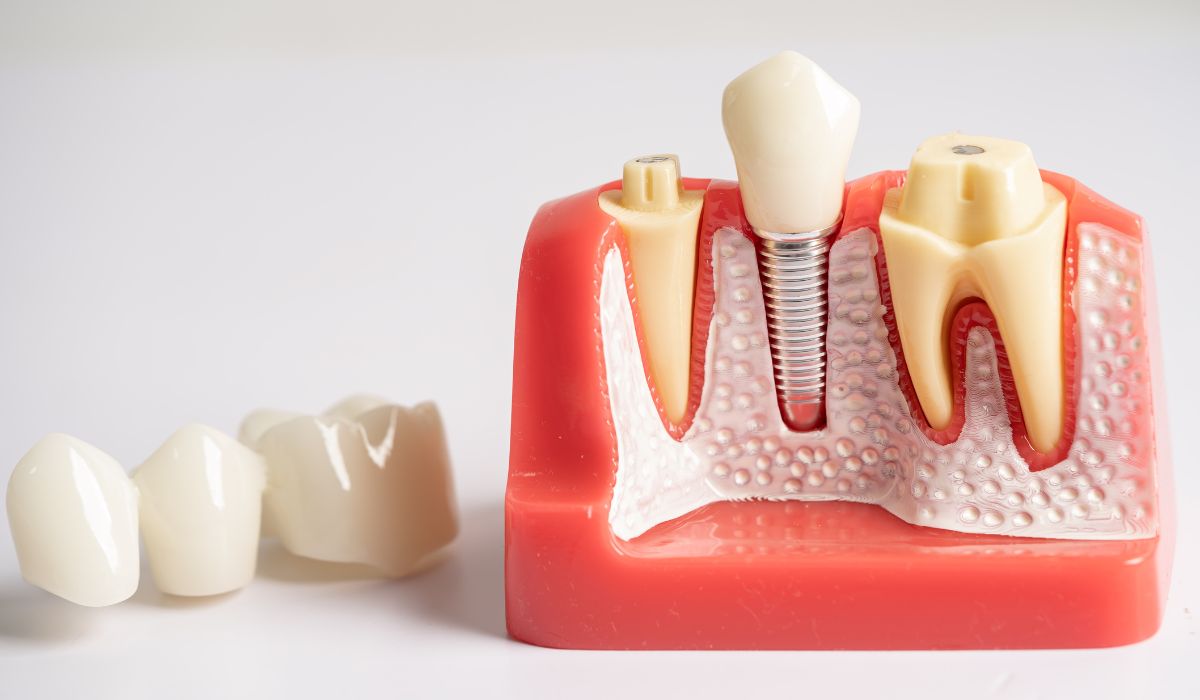
Maintaining good dental health is important for leading a healthy life. However, even the most diligent people sometimes get cavities and need to undergo treatments. One such treatment is root canal therapy. It is a vital treatment that can save teeth and prevent future complications. Knowing what to expect before and after a root canal can help the anxiety associated with it. So, if you are about to get a root canal done, keep reading.
What is a Root Canal Therapy?
A root canal is an endodontic dentistry procedure that comprises removing the infected or decayed pulp from the canal and filling it with a biocompatible material.
The root is the part of your tooth that lies beneath the gum line, inside the bone. It contains pulp, which is the sensory and nutritional unit of the tooth. It contains nerves, veins, and arteries, which are essential for normal development of teeth.
Unlike other restorative procedures, which involve replacing decayed teeth with prosthetics, the root canal aims to save the tooth. Even if a crown must be placed over it, at least some part of your natural tooth will remain intact.
Why is a Root Canal Done?
A root canal is performed when bacteria has invaded the root, but the tooth structure is still intact. In such cases, the dentist prefers to save the tooth instead of extracting it. The following are the conditions under which a root canal is performed.
- If you have constant pain, that does not go away.
- When you have inflammation in the gums.
- If your teeth are cracked or chipped.
- When your gums are swollen and have pus collected.
- When infection from the pulp has stained your teeth.
- If you feel sensitivity to hot and cold temperatures.
What to Expect Before and After a Root Canal?
Before a root canal, expect extensive investigations to track the severity of the condition. After a root canal, expect some discomfort and sensitivity for a few days.
Root canals are painless and common procedures performed in dental clinics all the time. Yet, there is still some fear and anxiety related to them. To overcome them, knowing what to expect before and after a root canal is essential.
Before a Root Canal
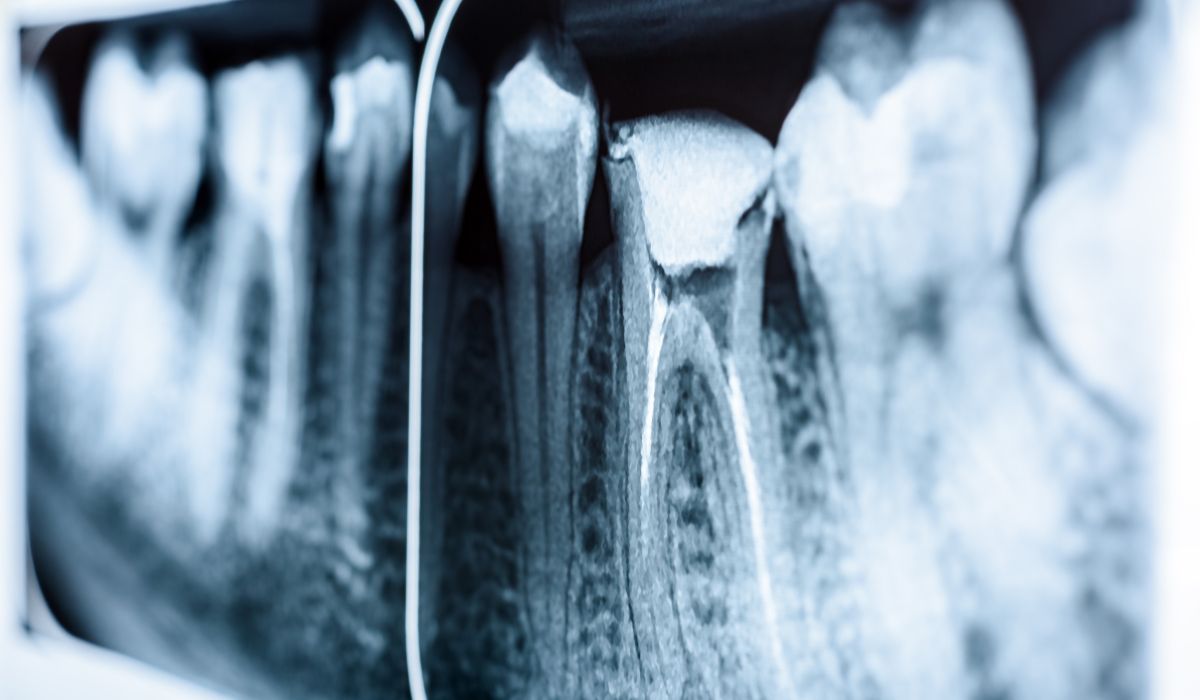
When you visit your dentist with a toothache, they will start by examining you. They may perform some chairside tests and imaging to form a diagnosis. If the decay has not reached the pulp yet, they will perform a dental filling only. However, if it has, a root canal will be necessary.
The procedure can be done on the same day, or the dentist might give you painkillers for the time being and schedule another appointment. They might also discuss the numbing techniques with you, like local anesthetic or total sedation. During this appointment, you can also talk to your dentist about what to expect before and after a root canal.
During a Root Canal
Root canal treatment starts with your dentist numbing the RCT site with a local anesthetic to make the procedure painless. After injecting the numbing solution, they wait a few seconds for it to take effect.
Once numb, a rubber dam sheet is placed around the tooth to be treated. The rubber dams isolate the tooth and prevent salivary contamination. Then, the pulp chamber is slowly opened, and a pulpectomy is performed.
A pulpectomy removes the decayed pulp from the canal. When cleaned, the canal is sealed with sealants and filled with a biocompatible material. Here, the main procedure for a root canal is done.
After a Root Canal
After the RCT, the remaining natural crown of your tooth will be cut and prepared for the prosthetic crown. Then, the dentist will record an impression for crown fabrication. When the crown is fabricated, your dentist will call you for crown placement. At this time, the root canal is finally completed.
The numbness might remain for 2 to 4 hours after the procedure. Do not eat anything during these hours, as you may bite your tongue or cheek. After that, you can return to your daily activities.
Some pain and sensitivity are expected after a root canal for a few days. However, contact your dentist if your pain does not go away even after days. You might need a re-endo.
Maintenance of a Root Canal
After understanding what to expect during a root canal, it’s time to know what steps are essential to increase its lifespan. If appropriately maintained, a root canal can last over a decade. Following are the steps you need to take to ensure a speedy recovery.
- Do not chew from the side of the root canal.
- Eat soft foods for some days, like ice cream, pudding, yogurt, custard, etc.
- Take the painkillers prescribed by your dentist regularly.
- Keep brushing and flossing daily.
- Use a soft toothbrush to prevent gum irritation.
- Look for the symptoms of swelling or pain.
- Take a balanced diet rich in nutrients to support oral health.
How Long Will the Recovery After Root Canal Last?
The recovery time after a root canal is about one week. Since it is a less invasive procedure, recovering does not require much time. You might feel a slight discomfort while chewing, but it also subsides with time. However, some patients have reported sensitivity to hot and cold even weeks after getting a root canal treatment.
How Will I Feel After a Root Canal?
You will feel fine after a root canal. Some discomfort after the procedure is normal since something has been changed in your mouth. Once the anesthesia wears off, you might feel a little pain or swelling, but all these symptoms are minor and subside with time. Follow your dentist’s aftercare instructions and maintain good oral hygiene to ensure a smooth recovery.
Conclusion
By the end of this article, we hope to have answered your query about what to expect before and after a root canal. This procedure might seem scary, but knowing what to do before and after can make the situation more manageable. Follow the instructions provided above to ensure smooth healing.
If you want a root canal, contact our experts in root canal surgery in Newton, NJ. We will discuss the procedure beforehand and provide an effective root canal at Blairstown Smile Studio. To schedule an appointment now and begin your journey toward a healthier future.